by Rick Hepting
Recently I made a trip to Mascota, a small town in a high volcanic mountain valley in the State of Jalisco, Mexico, where I spent the good part of the day with the director of an agriculture school there, sharing information and dreams. Even tho neither of us spoke the other’s language, we communicated well because we shared a lot of the same training since we were both botanists. The language of science, as is the language of music and love, universal.
The school had a project growing the Raicilla Agave commercially since this is a well-known, though somewhat illegal profitable industry in the area.
Below are pictures of the various plants used in the creation of some of the popular agave drinks in the State of Jalisco (the home of tequila):

The Agave used for Pulque, a beer-like drink.

The well-known Tequila Blue Agave.

Agave Maximiliana, commonly known as “Pata de Mula” (Mules Foot) or lechuguilla is used to make the Mascota version of Raicilla”
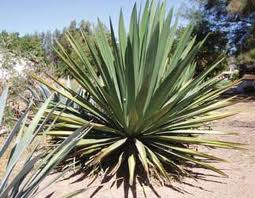
The Agave used to make Tuito Raicilla.
Each of these different plants impart different qualities to their respective products. The taste and strength also vary with the processing methods. If the agave piñas (the 10 year old agave plants with their leaves removed) are baked (as opposed to the commercial method of steaming), the flavor is often quite smokey. I had often heard that the Raicilla from Tuito and Mascota were different but didn’t know to what extent.
These drinks were all originally developed from wild species growing locally and the methods of production are basically the same for the different versions of Raicilla and Tequila: The mature piñas are roasted or steamed, the juice is extracted and then fermented and distilled.
Pulque is a simple fermented drink from the sap of the plant, skipping the distillation process. Raicilla, being basically the moonshine version of Tequila, is often of a very high proof unless you purchase one of the recently commercialized versions which are poor imitations of the original product.
A side benefit of this trip was finding a good Raicilla source in Mascota. This version is a smooth, strong drink that takes about a day to recover from if you drink too much (don’t ask me how I know this).
[youtube LyaM8r_mXdE&rel=1 :: Tequila Makes Her Clothes Fall Off]